Why Joint Stiffness and Mobility Issues Increase With Age? — What Research Reveals
Discover what science reveals about joint health, mobility, and how to support your joints over time — based on real-world evidence and data.
Would you like to listen to the article instead of reading it? Click on the player below:
What the Research Reveals
Why Joint Stiffness and Mobility Issues Increase With Age
Joint stiffness, reduced mobility, and musculoskeletal discomfort are among the most common health concerns researched by adults over 40 — especially in the United States and Europe.
According to data from the U.S. Centers for Disease Control and Prevention (CDC), approximately 58.5 million American adults have been diagnosed with some form of arthritis, representing nearly 1 in 4 adults in the U.S. population. Among them, nearly 50% report limitations in daily activities due to joint discomfort or reduced mobility.
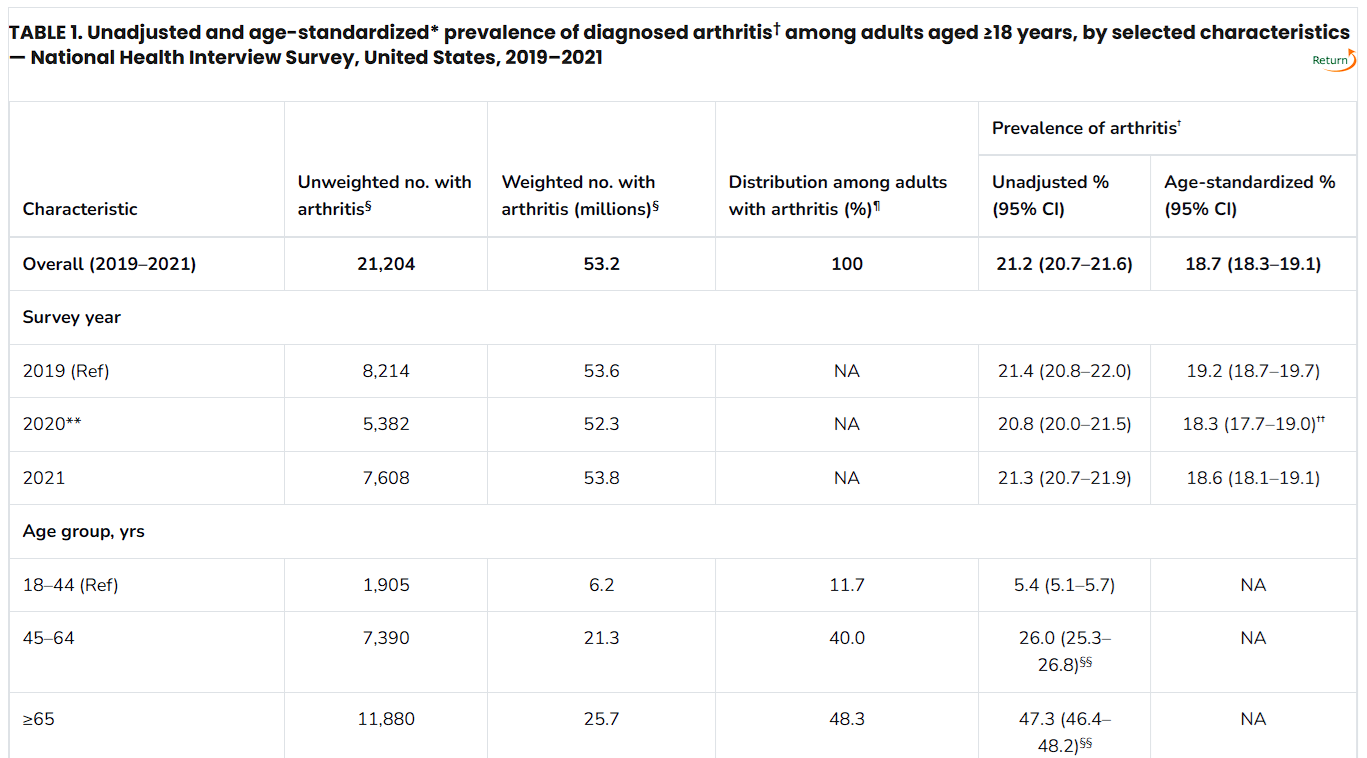
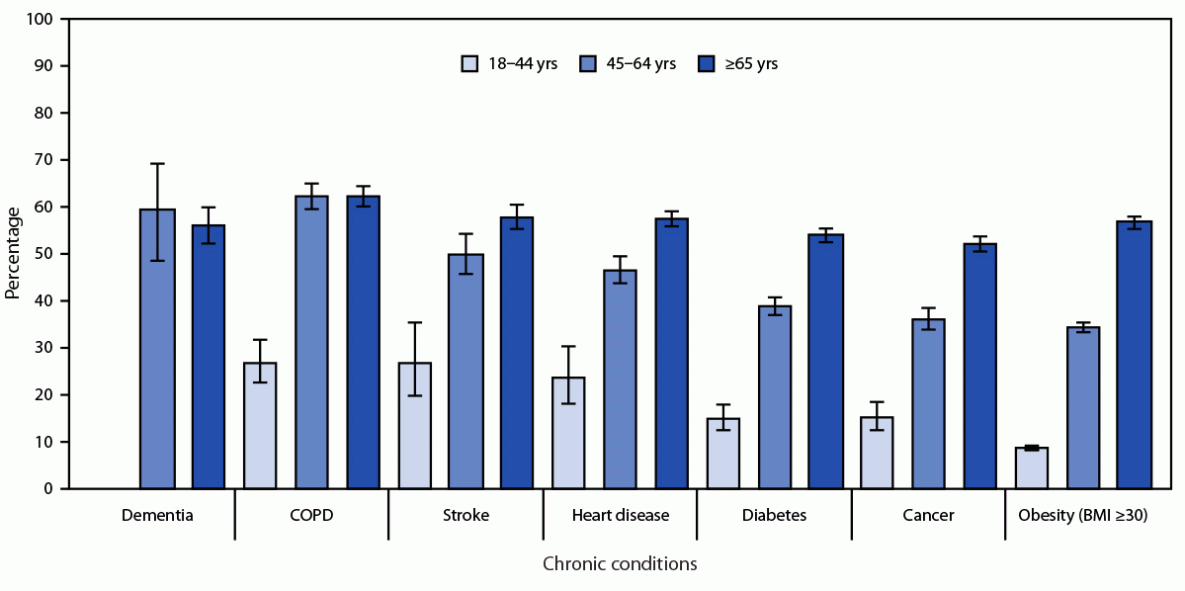
Similar patterns are observed globally. In Europe, epidemiological studies estimate that 20% or more of adults live with chronic joint-related conditions, particularly as populations age. Osteoarthritis alone affects about 15% of adults over 50 in many Western countries.
These numbers highlight that joint discomfort is not an isolated issue — it is a widespread and growing public health challenge.
This article explores why joint stiffness becomes more common with age, how joints function biologically, and what research suggests about supporting long-term joint comfort and mobility.
How Healthy Joints Work?
Healthy joints rely on a finely balanced system that allows bones to move smoothly against each other. This system includes:
Cartilage
Which cushions the joint surfaces.
Synovial Fluid
A viscous, gel-like substance that lubricates the joints.
Connective Tissues
Including ligaments and tendons, which stabilize movement.
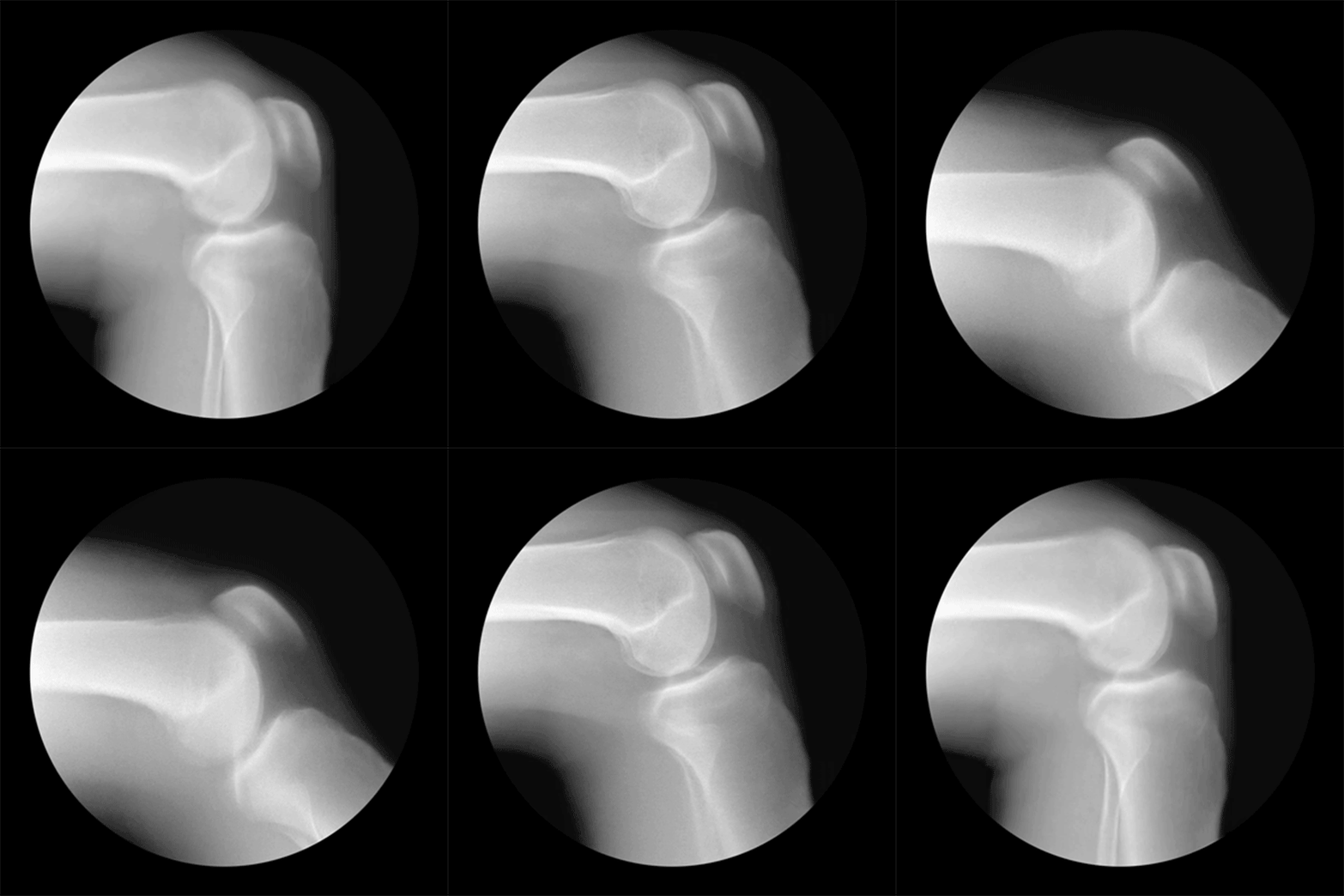
Synovial fluid is especially critical. It reduces friction, absorbs mechanical shock, and provides nutrients to the cartilage, enabling smooth and comfortable movement.
Why Joint Stiffness Increases with Age?
Research indicates that joint stiffness is not caused by a single factor, but by multiple age-related changes occurring simultaneously.
Changes in Synovial Fluid
Scientific studies show that synovial fluid can become less viscous and less effective over time, reducing its lubricating capacity. This makes joint movement feel stiffer, particularly after periods of rest.
Cartilage Degeneration
As we age, cartilage can lose elasticity and resistance. This can reduce its ability to effectively cushion joints, contributing to discomfort during movement.
Decline in Hyaluronic Acid Levels
Hyaluronic acid is a key molecule responsible for the thickness and lubrication of synovial fluid. Research suggests that the natural production of hyaluronic acid decreases with age, impacting joint hydration.
Lifestyle and Mechanical Stress
Sedentary behavior, repetitive joint use, excess body weight, and limited range of motion can accelerate joint wear and reduce mobility over time.
The Scale of the Problem: What the Data Shows

In the U.S., arthritis and related joint conditions are a leading cause of work disability, according to the CDC.
Chronic musculoskeletal pain, including joint and back pain, significantly impacts quality of life, independence, and productivity.
In Europe, an aging population combined with increasing obesity rates further escalates mechanical stress on joints, intensifying mobility challenges.
Common Symptoms People Report
Research data and clinical observations show that people most frequently describe:
Common Symptoms People Report
Research data and clinical observations show that people most frequently describe:
- Morning joint stiffness
- Difficulty bending knees, hips, or shoulders
- Reduced flexibility and range of motion
- Clicking or grinding sensations
- General discomfort during daily movement
Important: these symptoms are often functional, not always linked to acute injuries or diseases, and tend to develop gradually.
Evidence-Based Ways to Support Joint Health
While age-related joint changes are common, research suggests several strategies that can support joint comfort and mobility over time:
Low-impact physical activity
Such as walking, swimming, and mobility exercises.
Weight management
Reducing mechanical stress on joints
Adequate hydration
Supporting joint lubrication
Nutritional support
Particularly nutrients associated with joint structure and fluid balance
The Role of Nutritional Support

Many adults explore dietary supplements formulated to support joint comfort and mobility. These products often focus on ingredients studied for their role in:
- Supporting synovial fluid health
- Supporting cartilage structure
- Promoting flexibility and ease of movement
Newer formulations emphasize joint hydration and lubrication, rather than solely focusing on signs of discomfort.
What People Look for in Joint Support Products?
When researching joint supplements, consumers often prioritize:
⦁ Clinically studied ingredients
⦁ Focus on mobility and comfort, not medical treatment
⦁ Positioning as a dietary supplement, not a medication
⦁ Transparent manufacturing and safety standards
Products positioned as supportive, rather than curative, tend to align better with long-term joint wellness strategies.
Final Considerations
Joint stiffness and changes in mobility affect tens of millions of adults worldwide and are among the most researched wellness topics related to aging.
Understanding the biological and mechanical factors behind these changes empowers individuals to make informed decisions about movement, nutrition, and lifestyle habits that support joint comfort over time.

For those interested in exploring modern, research-informed approaches to joint support, additional educational resources are available below.